Science, Technology, Engineering & Mathematics
The Science, Technology, Engineering & Mathematics cluster focuses on the planning, managing, and providing scientific research and professional and technical services (e.g., physical science, social science, engineering) including laboratory and testing services, and research and development services.
Each lesson below includes an instructional video, lesson plan, and a student test or activity.
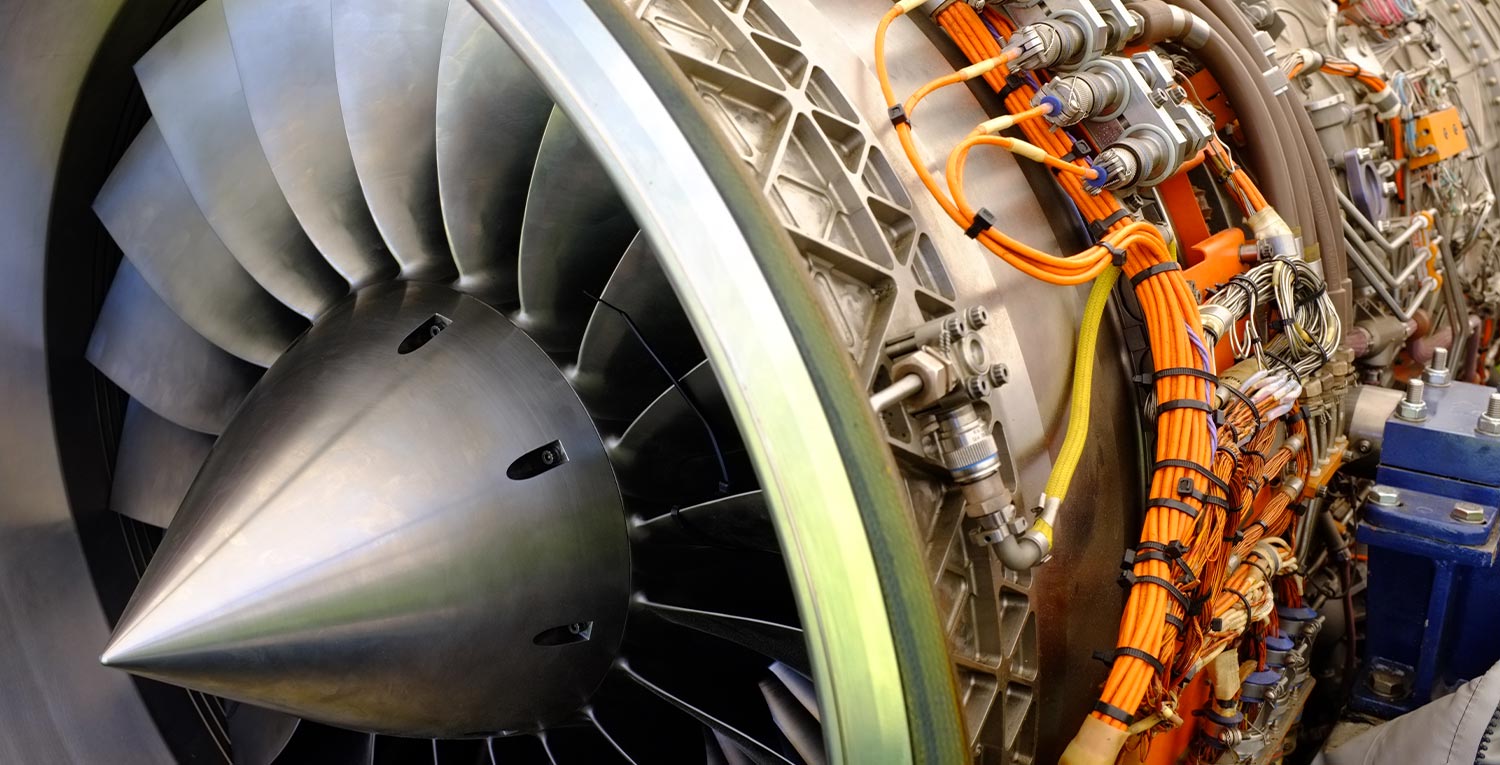
New Measuring Force with Weight and Gravity
Upon completion of these materials, students will learn how force is measured using known weights and gravity, how force sensors are tested for accuracy, and why precision is so important in engineering.
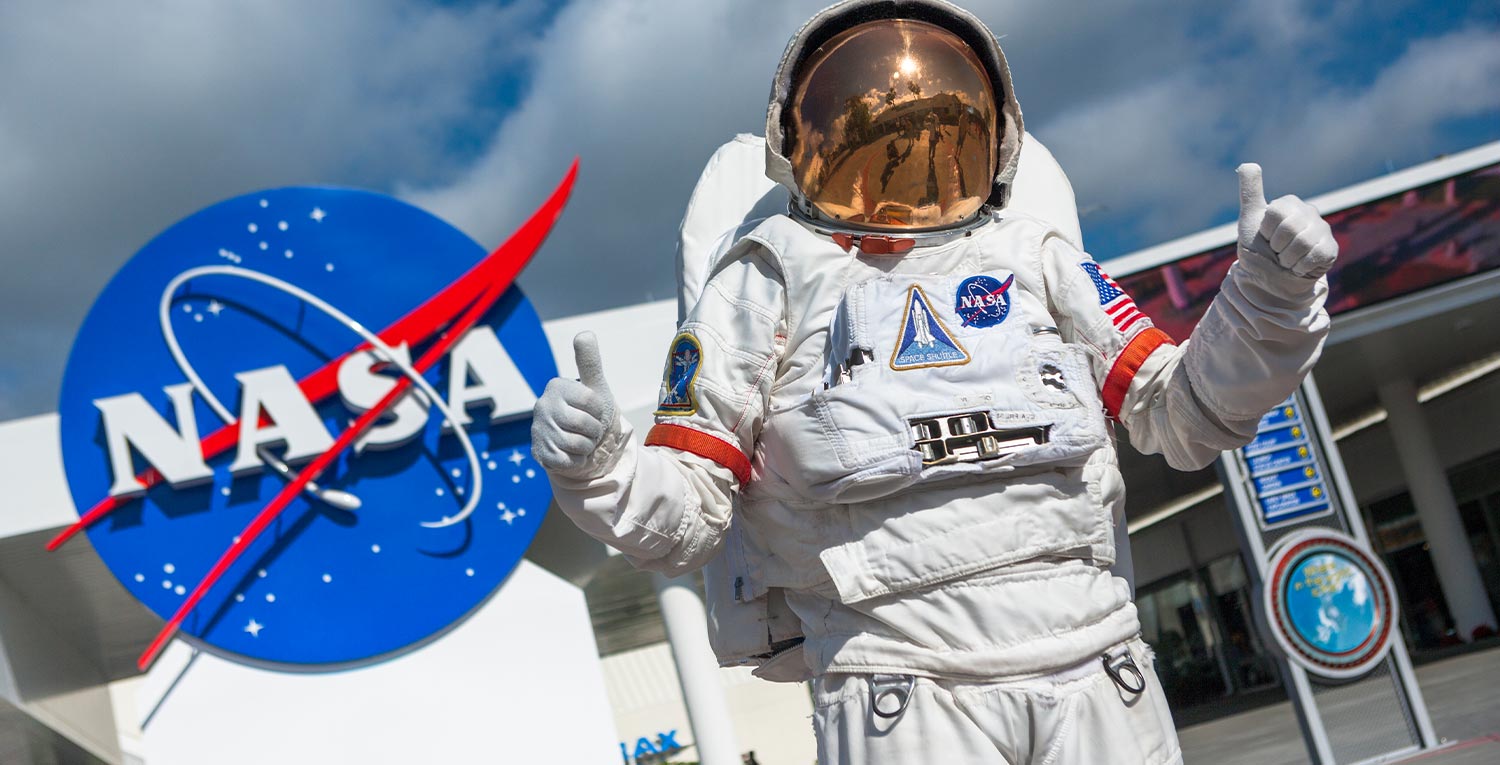
New STEM in Action: Training Astronauts Underwater
Upon completion of these materials, students will understand how STEM principles are used in simulation environments, monitoring systems, and safety procedures to prepare astronauts for space.
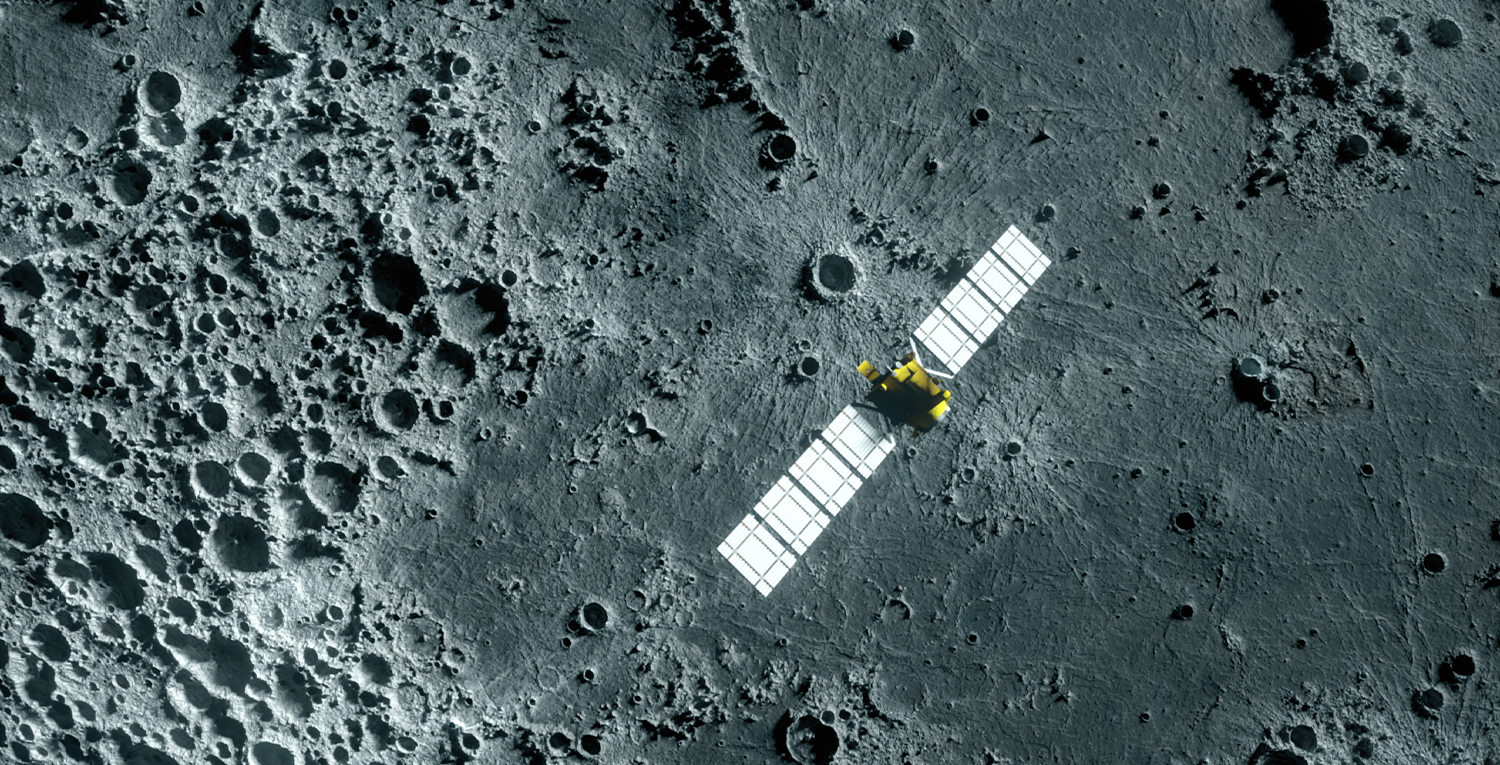
New STEM: Earth Crust to Lunar Dust
Upon completion of these materials, students will understand how NASA geologists contribute by training astronauts, supporting tool design, and ensuring accurate data and sample collection.
New Engineering Design Process in Action
Upon completion of these materials, students will understand the purpose and major steps of the engineering design process and see how engineers develop reliable solutions to real-world problems.
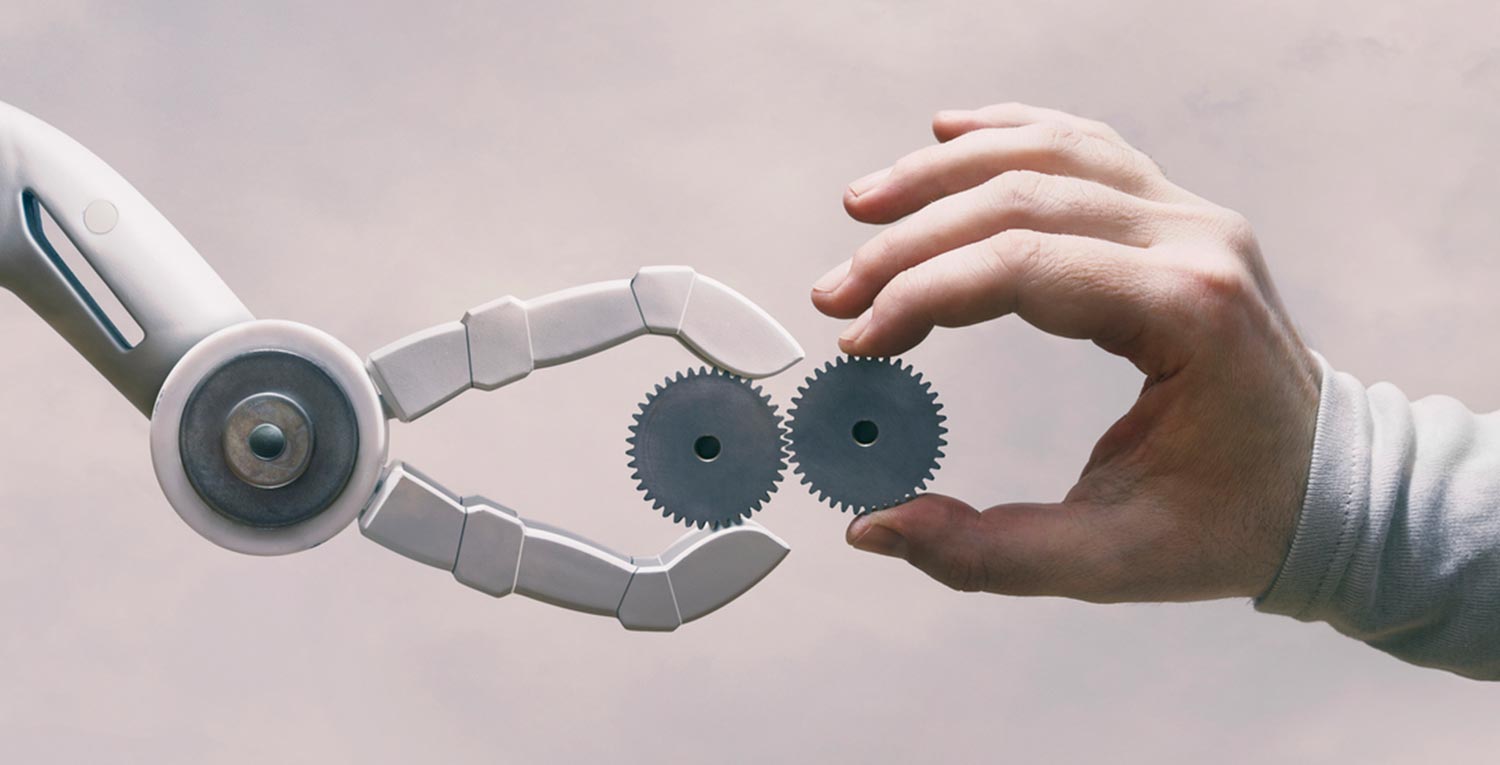
New What is Engineering?
Upon completion of these materials, students will understand how engineers solve problems, how engineering differs from science, and how different engineering specialties contribute to society.
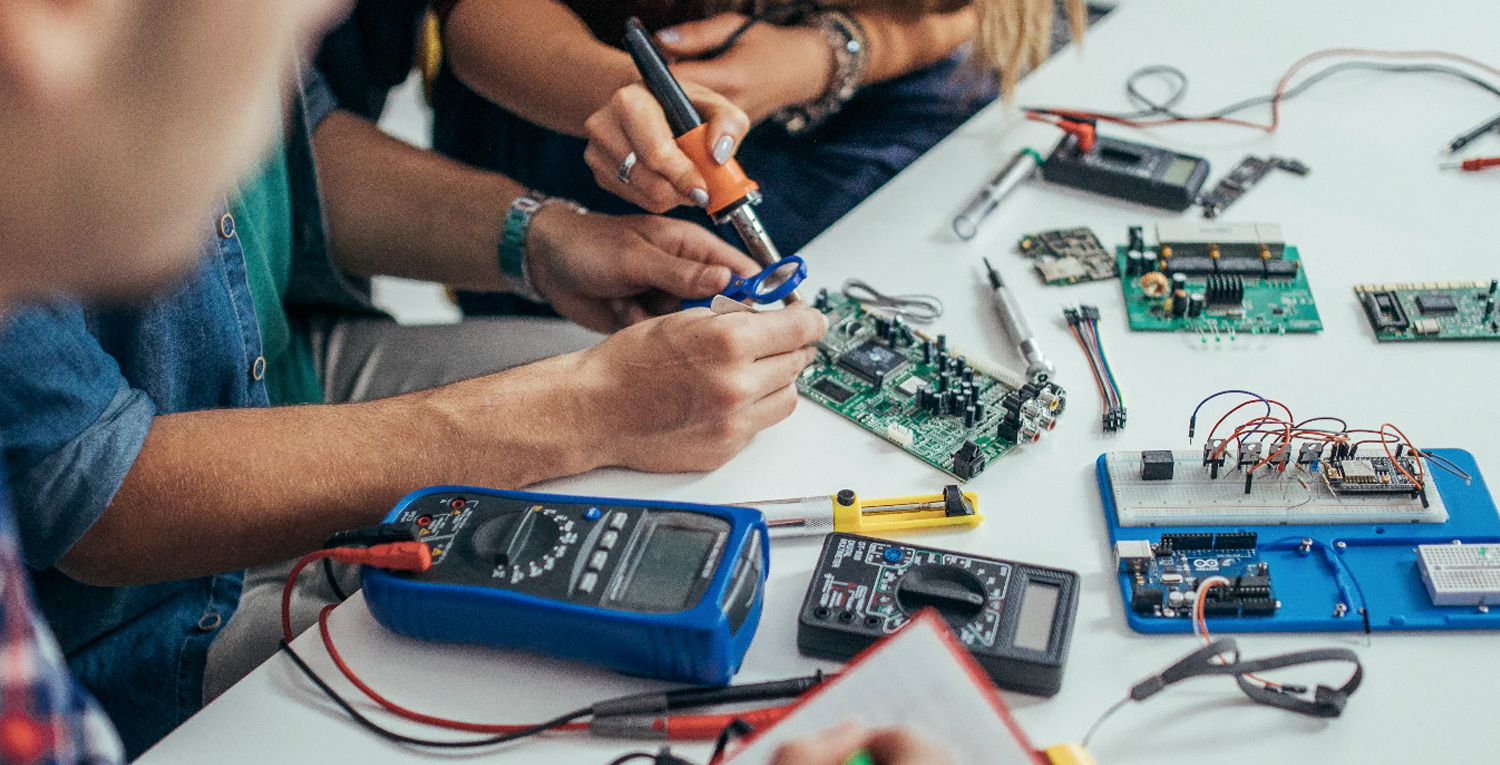
Cluster Overview: Science, Technology, Engineering & Mathematics
Upon completion of these materials, students will know the career pathways and some corresponding occupations within the Science, Technology, Engineering & Mathematics CTE cluster.
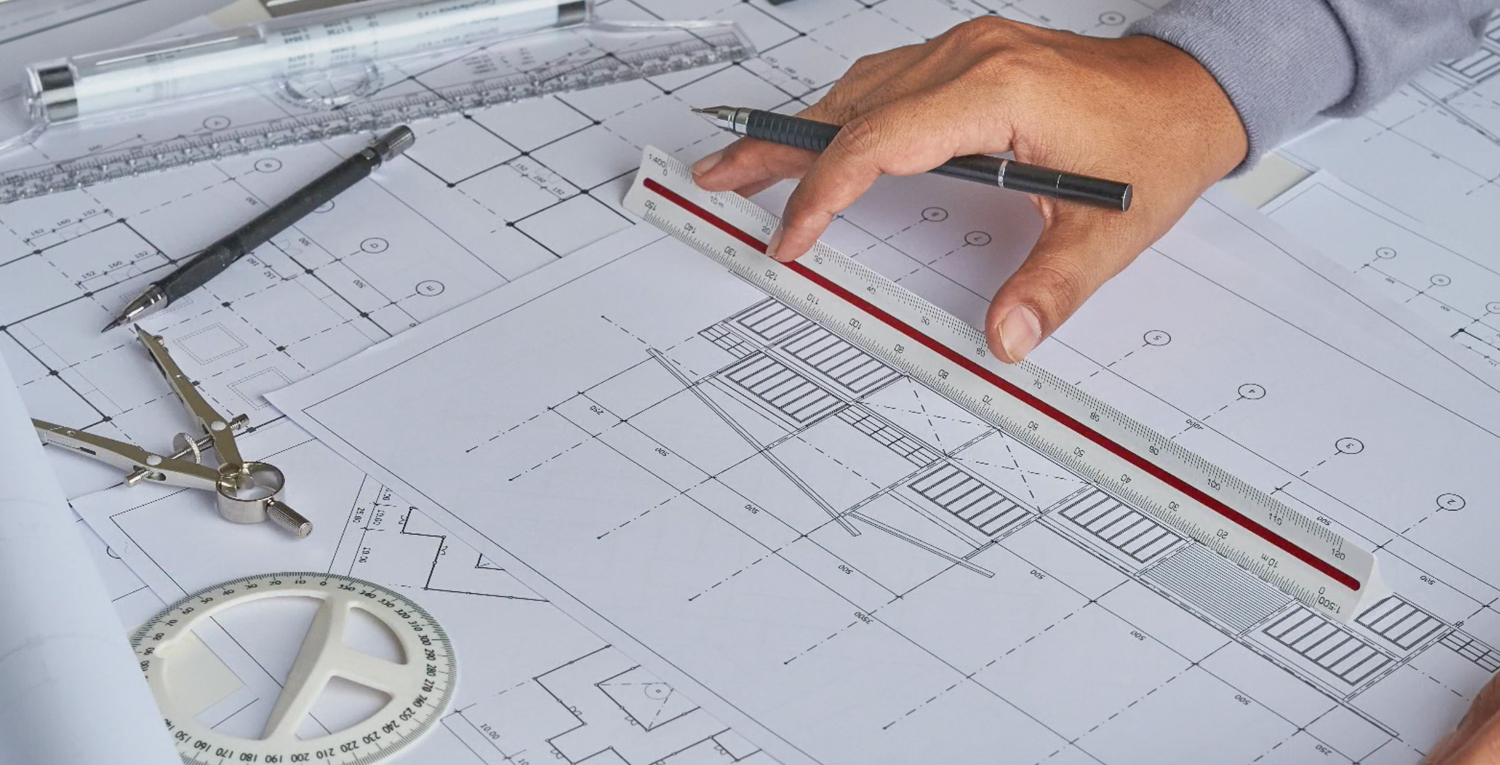
Introduction to Applied Mathematics
Upon completion of these materials, students will know the basic building blocks of applied mathematics.
Key concepts of Science, Technology, Engineering & Mathematics condensed into a series of short instructional videos around a similar topic.